

Jakarta – Indonesia’s automotive industry is changing far beyond the vehicles seen on the road. Artificial intelligence is entering factories, electric vehicles are creating new demands for repair shops, and battery technology is forcing the industry to rethink everything from maintenance to recycling.
Those changes will take center stage at the first Automechanika Jakarta, which will be held from September 24 to 27, 2026, at the Nusantara International Convention Exhibition, or NICE.
The event is expected to bring together around 350 exhibitors across 20,000 square meters. But beyond the exhibition floor, Automechanika Jakarta will also focus on the people, skills and technology needed to keep the automotive industry moving.
Indonesia’s Auto Industry Is Entering a New Phase
For decades, automotive events have largely focused on new vehicles and product launches. Automechanika Jakarta is taking a broader approach by looking at the ecosystem behind the cars, motorcycles and commercial vehicles that consumers use every day.
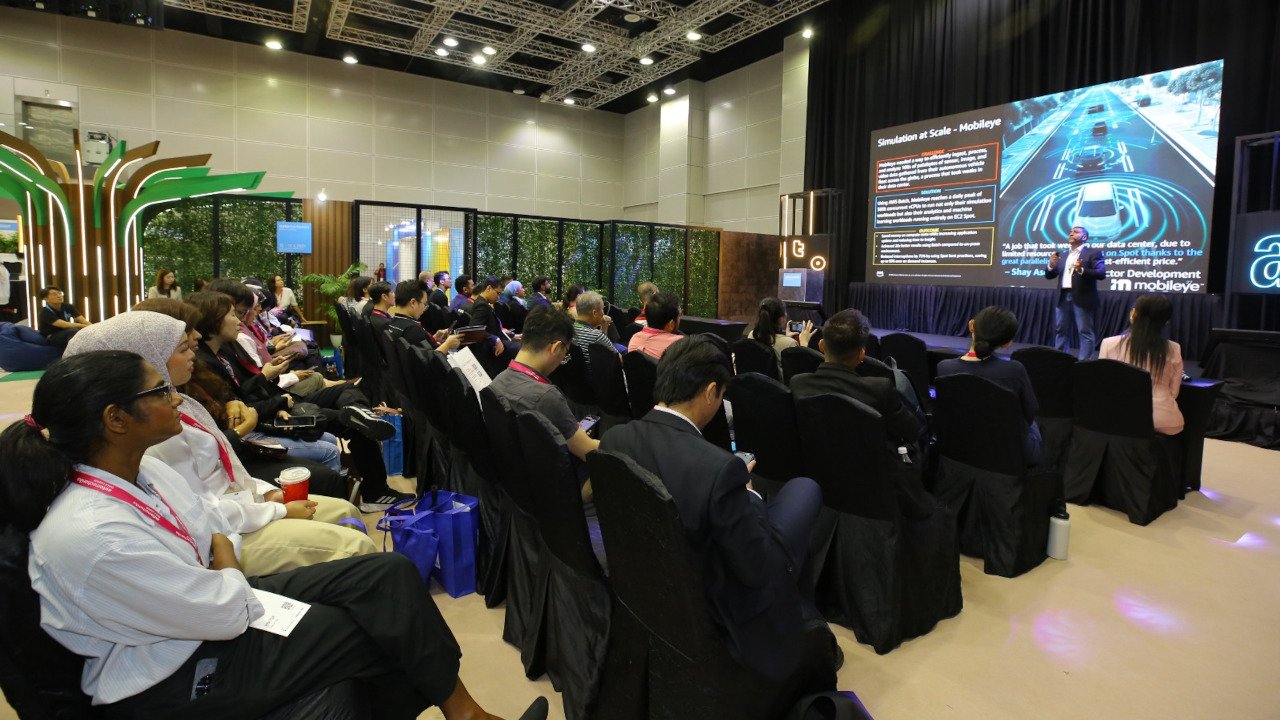
The event will feature conferences, workshops, panel discussions, business matching programs and industrial tours. The topics range from electrification and smart manufacturing to AI-powered mobility, fleet management, aftermarket component tracking and circular, lower-emission operations.
Fiona Chiew, General Manager of Messe Frankfurt (HK) Ltd, said Indonesia is becoming increasingly important in the regional automotive market. As global supply chains continue shifting their focus toward Southeast Asia, the country is also attracting more attention as a potential manufacturing and business hub.
That shift creates opportunities, but it also means Indonesia’s automotive industry needs to keep pace with global technology and manufacturing standards.
AI Is Changing How Cars Are Built
One of the major discussions at the Automotive Mobility Solutions Conference will focus on smart factories and the growing role of AI in manufacturing.
The three-day conference, running from September 24 to 26, will explore how technologies associated with Industry 4.0 could make vehicle production faster, more flexible and easier to customize.
Omar Abouelmagd, IT Lead Consultant for Smart Manufacturing Solutions at Lenovo Malaysia, is scheduled to discuss how AI-powered smart factories can help remove production bottlenecks.
The idea is that automotive manufacturing could become more responsive, with factories using data and automation to improve efficiency while adapting more quickly to changing market demands.
For Indonesia, this is particularly relevant as the country works to strengthen its position in regional automotive supply chains.
EVs Are Also Changing What Mechanics Need to Know
The rise of electric vehicles is not only changing how cars are powered. It is also changing the skills required to repair and maintain them.
Automechanika Jakarta’s Technology & Skills Workshops will focus on areas that are becoming increasingly important for modern workshops, including EV diagnostic systems, high-voltage safety and ADAS calibration.
TÜV Rheinland, for example, will provide training focused on high-voltage repair procedures and safety protocols. These include safe isolation, hazard management and practices relevant to electric and hybrid vehicles.
Launch will also discuss modern diagnostic systems and specialized EV tools, while Magicmotorsport will hold hands-on sessions covering professional ECU remapping and road simulation technology.
For independent workshops, the transition could be significant. Mechanics who have spent years working primarily with internal combustion engines may increasingly need new knowledge, equipment and safety procedures.
What Happens When an EV Battery Gets Old?
Battery technology will also be a major part of the conversation.
Georg Schrank, Business Development Manager at AVL List GmbH, is scheduled to discuss battery degradation testing. The process can help determine whether an aging battery should be reused for energy storage or sent for recycling.
The issue is becoming more important as the number of EVs grows. A battery that is no longer suitable for powering a car may still have enough capacity for other applications.
Binu George, Country Manager of TotalEnergies Renewables Distributed Generation Indonesia, is also expected to discuss the potential use of used battery storage alongside solar and wind energy.
Such systems could help stabilize electricity supplies on remote Indonesian islands, reduce reliance on diesel generators and support wider rural electrification.
Beyond the Conference Room
Automechanika Jakarta will also give participants the chance to see Indonesia’s automotive industry more closely.
Industrial tours on September 23 and 25 will include visits to facilities such as Astra Daihatsu Motor’s R&D center, PT Akebono Brake Astra Indonesia, Yamaha Indonesia Motor Manufacturing and the Vehicle Testing and Certification Center.
The program also includes the Xperience Zone, where visitors can try activities ranging from dent repair and spot welding to car polishing, plasma cutting and VR spray painting.
Meanwhile, autoFEST@JKT will bring a more consumer-oriented side to the event through classic cars, automotive modification, simulator racing, slalom activities and an automotive bazaar.
The result is an event that looks beyond the latest products on display. From AI-controlled factories to mechanics learning how to handle high-voltage systems, Automechanika Jakarta reflects how rapidly the automotive industry is changing.
For Indonesia, the bigger challenge will be making sure that its workforce, workshops and supply chains are ready for what comes next.