

Surabaya – Buying an electrified car is no longer simply a choice between gasoline and electricity. For Indonesian buyers, the growing number of full electric vehicles and plug-in hybrids means there is now another important question: which type of electrification actually fits the way you drive?
The difference can be significant. A battery electric vehicle, or EV, runs entirely on electricity, while a plug-in hybrid electric vehicle, or PHEV, combines an electric powertrain with a combustion engine.
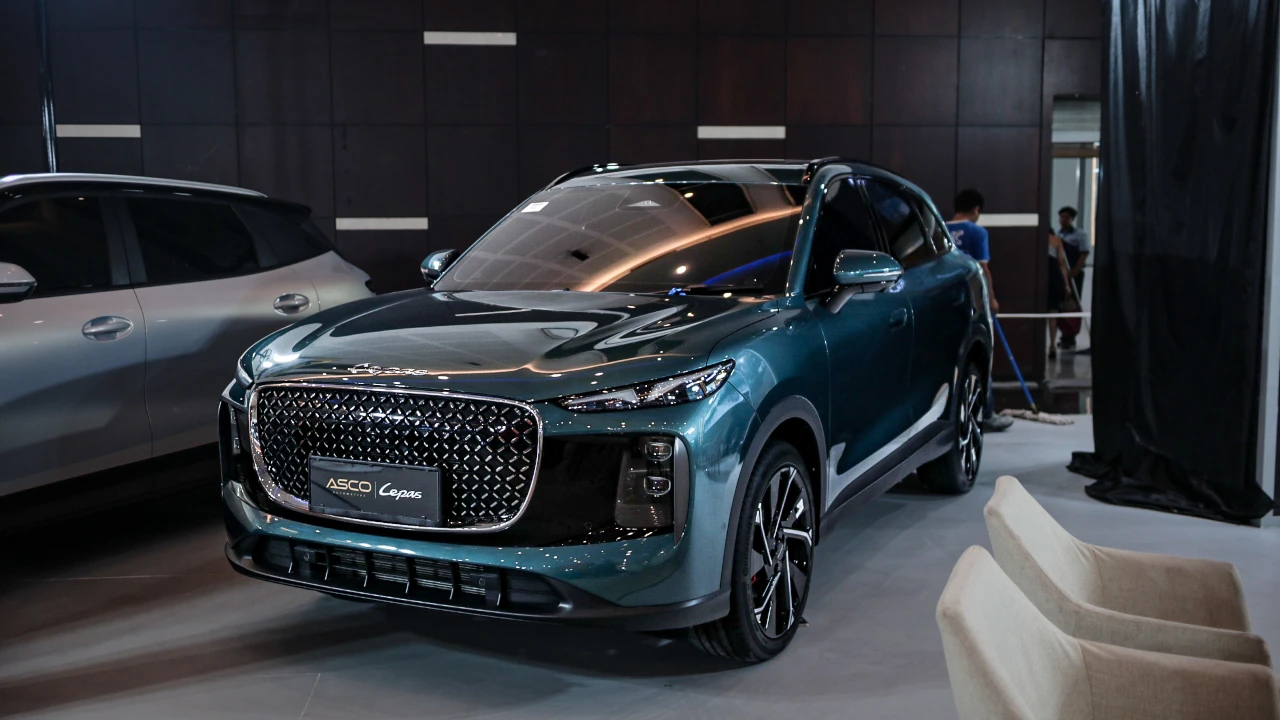
Lepas is bringing both approaches to East Java with the E4 EV and L8 PHEV. The two models offer a useful example of why there is no single electrified vehicle that suits every driver.
The Case for Going Fully Electric
For drivers whose daily routines are relatively predictable, a full EV can be an attractive option.
The Lepas E4 EV, for example, uses a 67 kWh battery and has a claimed range of up to 600 kilometers under the CLTC test cycle. It also supports up to 130 kW DC fast charging, with the battery claimed to charge from 30 percent to 80 percent in 20 minutes.
In daily use, the biggest advantage of a full EV is simplicity. There is no gasoline engine, which means drivers do not need to stop for fuel and can potentially charge the vehicle at home or at a charging station.
An EV may make the most sense for people who mainly drive around cities such as Surabaya and have convenient access to charging. Home charging can also make the ownership experience easier because the vehicle can be charged while it is parked overnight.
However, buyers should not look only at the maximum range listed by the manufacturer. Driving style, traffic, weather, air conditioning and road conditions can all affect real-world energy consumption and range.
The Case for a Plug-In Hybrid
A PHEV offers a different kind of flexibility.
The Lepas L8 PHEV has a claimed combined range of more than 1,300 kilometers, combining its electric system with a gasoline engine. That makes it better suited to drivers who regularly travel long distances or want to avoid relying entirely on charging infrastructure.
For many Indonesian drivers, this could be particularly useful.
A car may spend most weekdays in city traffic but also be used for weekend trips, business travel or long journeys between cities. A PHEV can provide electric driving for some journeys while the combustion engine remains available when charging is not convenient.
The trade-off is complexity. A PHEV has both an electric system and a conventional engine, meaning it can have more components than a full EV.
To get the most from its electric capability, owners also need to charge it regularly. A PHEV that is rarely plugged in may not deliver the same efficiency benefits expected from an electrified vehicle.
Your Charging Situation Matters
Before choosing between an EV and a PHEV, buyers should first consider where they will charge the vehicle.
For someone living in a house with access to home charging, a full EV may be easier to manage. Regular overnight charging can cover most daily driving without frequent visits to public charging stations.
The situation can be different for apartment residents or people who cannot install a charger where they live. Public charging infrastructure is growing, but access and availability can vary depending on the location.
For these drivers, a PHEV may offer greater flexibility because the vehicle can continue using its combustion engine when charging is unavailable.
That does not automatically make a PHEV the better choice. It simply means the decision should be based on the driver’s actual routine.
Long Trips Change the Equation
Long-distance travel is another important consideration.
A full EV can certainly be used for trips between cities, but the journey may require drivers to plan charging stops in advance. Charging availability and the location of fast chargers can affect how convenient the trip will be.
A PHEV removes much of that concern because the gasoline engine can extend the journey when the battery is depleted.
For drivers who regularly travel outside major cities or frequently take long road trips, that flexibility could be more valuable than the simplicity of a full EV.
On the other hand, someone who rarely leaves the city may not need to carry a combustion engine and fuel system every day.
There Is No One-Size-Fits-All Answer
The growing availability of both technologies shows that Indonesia’s shift toward electrification will not necessarily follow a single path.
The Lepas E4 EV and L8 PHEV represent two different approaches. The E4 is aimed at drivers ready to rely entirely on electricity, while the L8 offers a bridge between electric driving and the flexibility of a conventional engine.
The better choice depends on more than price, range or technology.
Buyers should consider how far they drive each day, how often they travel long distances, whether charging is available at home and how comfortable they are planning journeys around charging stops.
For some drivers, going fully electric may be the simplest solution. For others, a plug-in hybrid may offer a more practical first step.
The real question is not whether EVs or PHEVs are better. It is which one works better for your driving life.