

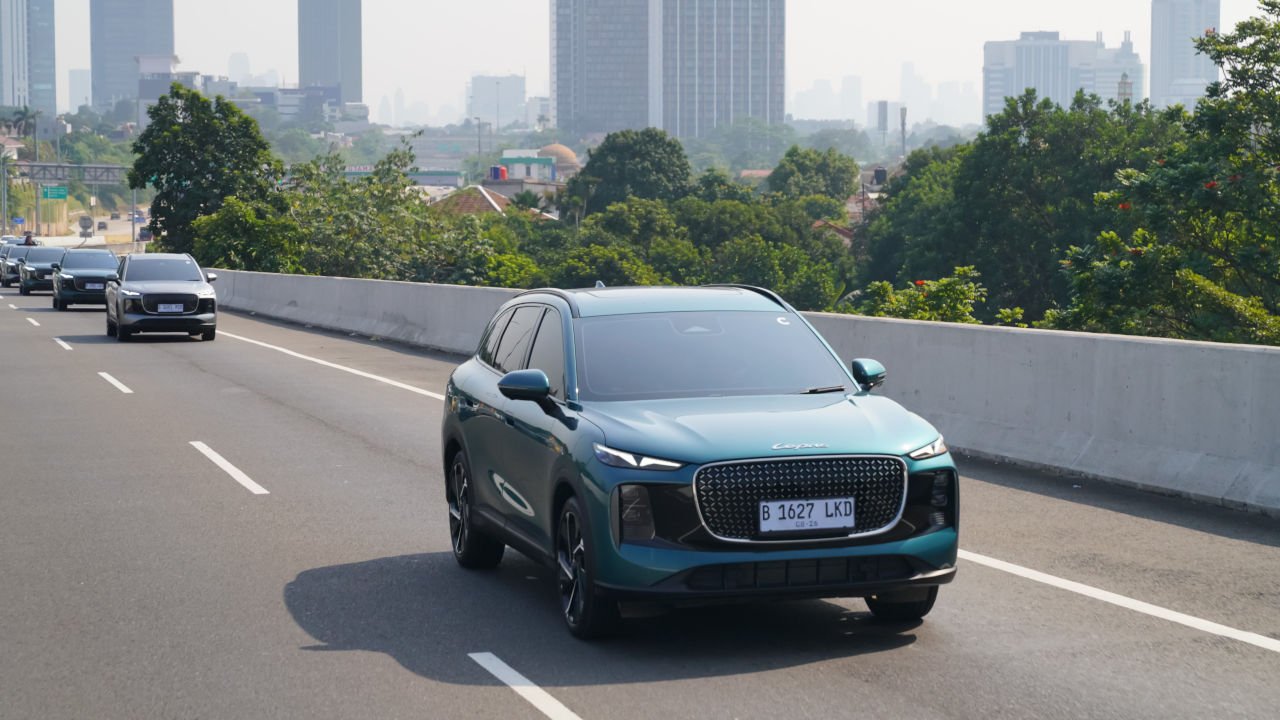
Jakarta – As electric vehicles and plug-in hybrid vehicles become more common, the conversation around buying a new car is gradually moving beyond driving range, charging speed, and technology. For many consumers, confidence in what happens after the purchase can be just as important, particularly when the vehicle relies on electrified components that may be unfamiliar to some owners.
Battery packs, electric motors, and electronic controllers are among the key components that distinguish electrified vehicles from conventional internal combustion cars. Their importance makes warranty coverage and after-sales support particularly relevant when consumers consider using an EV or PHEV as part of their daily mobility.
The issue is not necessarily that electric vehicles are less reliable. Rather, consumers may have different questions about ownership, including how major electrified components are protected, where they can obtain maintenance support, and what happens if they experience a problem while traveling.
These concerns make warranty policies an increasingly visible part of the ownership proposition for EV and PHEV manufacturers.
The Importance of Battery Protection
The battery is arguably one of the most important components in an electric vehicle. It stores the energy required to drive the vehicle, while its condition is directly related to the way an EV operates.
For PHEVs, the battery works alongside an internal combustion engine, creating a more complex powertrain than a conventional gasoline vehicle. As a result, consumers may want clearer information about how long key electrification components are covered and what kind of support is available during ownership.
LEPAS addresses this aspect through its LEPAS Care program for the L8 PHEV and E4 EV. Both vehicles receive protection for their batteries, electric motors, and controllers for up to eight years or 160,000 kilometers.
For buyers, coverage of major electrified components can provide a clearer ownership framework. Instead of considering the purchase only in terms of the vehicle’s initial specifications, consumers can also evaluate how the manufacturer supports the vehicle over a longer period.
PHEV Ownership Comes With Different Considerations
The LEPAS L8 PHEV illustrates why after-sales support can be particularly relevant for plug-in hybrid vehicles.
A PHEV combines an electrified powertrain with an internal combustion engine. This means the ownership experience involves both electric components and conventional mechanical systems, making comprehensive support an important consideration.
For the L8 PHEV, LEPAS provides vehicle protection for six years or 150,000 km. Its electrification components, including the battery, motor, and controller, are covered for eight years or 160,000 km.
The engine receives protection for the first owner for up to 10 years or 1,000,000 km. The vehicle is also accompanied by free service for four years or 60,000 km, although the benefit covers service labor rather than all maintenance-related costs.
The L8 PHEV is positioned as a vehicle for a wide range of driving requirements, with a combined range of more than 1,300 km. Features such as massage seats, a panoramic sunroof, ambient lighting, a fragrance system, and 50W wireless charging are intended to support its premium positioning.
However, these features represent only one part of the ownership proposition. For a PHEV buyer, the availability of long-term support for both the electrified and conventional parts of the vehicle can also influence the overall ownership experience.
EV Buyers Have Different Questions
The considerations can be different for a fully electric vehicle such as the LEPAS E4 EV.
Unlike a PHEV, an EV does not use an internal combustion engine as part of its propulsion system. This places even greater emphasis on the electric powertrain and its supporting systems.
The E4 EV receives vehicle protection for six years or 150,000 km, while its battery, motor, and controller are covered for eight years or 160,000 km.
The vehicle also comes with Road Assistance for three years. This type of support is designed to provide assistance when owners need help during a journey, adding another layer to the ownership experience beyond the vehicle’s technical specifications.
The E4 EV offers a claimed driving range of 600 km under the CLTC testing standard. Its 130 kW DC fast-charging capability can charge the battery from 30% to 80% in 20 minutes, according to the information provided by LEPAS.
Other equipment includes ventilated seats, 50W wireless charging, a 540-degree camera, 18 Advanced Driver Assistance Systems (ADAS), and six airbags.
Once again, these specifications explain what the vehicle can do, while warranty and roadside assistance address what happens when the vehicle is being used over time.
Roadside Assistance Adds Another Layer of Confidence
Roadside assistance can be particularly relevant to EV and PHEV owners because a vehicle problem does not always occur close to a workshop.
An owner may encounter an issue during a long-distance trip, for example, where immediate access to a dealer or service center is not practical. Having an official assistance program can reduce some of the uncertainty surrounding these situations.
For the L8 PHEV, LEPAS provides Road Assistance for three years or up to 50,000 km, subject to the applicable terms and conditions. The E4 EV also receives three years of Road Assistance.
This does not eliminate every potential problem that can occur during vehicle ownership. However, it provides owners with a defined channel for obtaining assistance when they need it.
For newer automotive brands entering a market, that support can also have a broader significance. Building consumer confidence is not only about introducing a vehicle with competitive specifications but also about demonstrating that the brand has prepared for ownership after the initial purchase.
EV Ownership Is More Than Range and Charging
Range and charging performance remain important considerations when consumers evaluate an EV. For PHEVs, combined range and the balance between electric and combustion power are similarly relevant.
But as electrified vehicles become part of everyday transportation, ownership questions become more practical. Consumers may want to know how long major components are covered, what maintenance support is included, and whether help is available if something happens on the road.
This is where programs such as LEPAS Care become relevant. Rather than presenting warranty and assistance as separate administrative benefits, LEPAS positions them as part of the broader ownership experience for its electrified models.
The approach also reflects a wider shift in how automotive brands can communicate value. A vehicle’s appeal is increasingly measured not only by what it offers when new, but also by the level of confidence an owner has throughout the period of use.
For EV and PHEV buyers, that confidence can be particularly important because electrification introduces technologies and components that may be less familiar to traditional car owners.
Ultimately, warranty coverage and roadside assistance do not replace the importance of product quality, charging infrastructure, or service network availability. They are complementary elements that can help make the transition to electrified mobility feel more predictable for consumers.
As more EVs and PHEVs enter the market, manufacturers will therefore compete on more than battery range and technology. The ability to provide clear protection and dependable support throughout ownership could become an increasingly important part of the decision-making process.