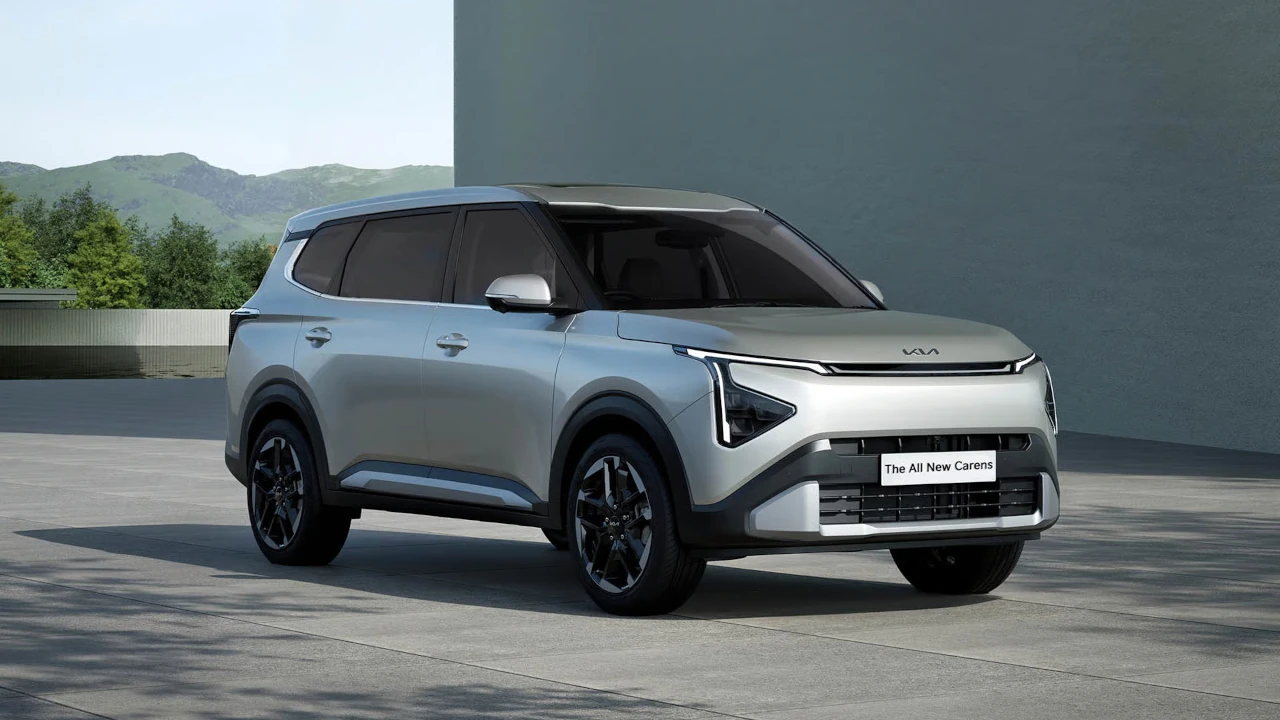
Jakarta – A family MPV used to be defined by a relatively simple formula. It needed enough seats, a spacious cabin and reasonable comfort for everyday travel. Over time, however, those expectations have changed.
The Kia Carens offers a clear example of that shift.
The model began its global journey in 1999. Kia brought the Carens to Indonesia in 2000. Since then, the model has gone through several generations and significant changes in design, technology and cabin configuration.
Its basic purpose has remained familiar. The Carens is still designed to carry families and provide a flexible cabin. What has changed is what buyers expect from a family car beyond those basic requirements.
Carens Started With Practicality
The Carens arrived in Indonesia at the beginning of the 2000s. Kia later introduced the Carens II in 2003. The model was also assembled locally through the Completely Knocked Down, or CKD, process.
At that stage, practicality was central to the appeal of an MPV. Space and passenger capacity were among the characteristics that defined the segment.
Kia later moved the Carens in a different direction with the All New Carens introduced in 2013.
The model came with seating for seven passengers and featured Kia’s Tiger Nose grille. It used a 2.0-liter engine and offered Flex Steer with Comfort, Normal and Sport steering modes.
The Carens also received recognition from several automotive awards during that period. These recognitions reflected a period when equipment, technology, driving characteristics and value were becoming increasingly important alongside cabin space.
A New Carens Arrived in 2022
Kia introduced the fourth-generation Carens in Indonesia in 2022. The model was first shown at GAIKINDO Jakarta Auto Week in March before its official launch at GIIAS in August.
The new generation offered six- and seven-seat configurations.
The six-seat version used captain seats in the second row. This gave Kia a way to offer a different interpretation of family-car comfort while retaining the three-row layout.
The Carens also became an important model for Kia’s sales activity in Indonesia. During GIIAS 2022, the Carens and Sonet were among the largest contributors to Kia’s total sales during the exhibition.
By this point, the definition of an MPV was already changing. Buyers were not only looking for the ability to transport more people. They were also paying attention to how the cabin was configured and how the vehicle fit into everyday life.
The 2026 Carens Puts More Focus on Design and Technology
Kia introduced the all-new Carens in Indonesia at IIMS 2026.
The latest model continues to offer six- and seven-seat configurations. Buyers can choose captain seats for the second row or a layout designed to accommodate more passengers.
The changes, however, extend beyond seating.
The latest Carens features a Digital Tiger Face with Diamond Finish Decor, Star Map LED Connected Tail Lamps and R17 Crystal Cut Dual Tone wheels.
Inside, Kia adds features intended to make the three-row layout easier to use. The Electric One-Touch Tumble Seat is designed to provide easier access to the third row.
The cabin also gets an Immersive Dual Panoramic Display. Selected variants are equipped with Advanced Driver Assistance Systems, or ADAS.
These features show how the role of a family MPV has expanded.
Space remains important, but it is now only part of the ownership experience. Design, cabin technology, convenience and driver assistance have become part of what buyers can expect from a family vehicle.
The Family MPV Is Also Becoming More Flexible
The evolution of the Carens also shows how seating configuration has become an important part of the MPV experience.
A six-seat configuration with captain seats can prioritize second-row comfort. A seven-seat configuration can prioritize passenger capacity.
Neither approach is necessarily better for every family. Instead, the choice reflects different daily needs.
This flexibility has become increasingly relevant as family vehicles serve more than one purpose. A vehicle can be used for commuting during the week, carrying children to activities and taking several family members on longer trips.
The Carens has maintained this flexible approach while adding features that were not traditionally associated with the basic MPV formula.
Carens Points Toward an Electric Future
The next step in the Carens story appeared at GIIAS Jakarta 2026 with the Carens EV Concept.
The concept retains several characteristics associated with the model. It uses a three-row cabin and focuses on flexibility and comfort for family use.
At the same time, the concept introduces an electric powertrain as part of Kia’s future direction for the model.
The Carens EV Concept includes a panoramic display, panoramic sunroof and connectivity features. ADAS technology is also part of the concept’s development.
Importantly, the vehicle was presented as a concept. The supplied information does not establish a production launch date or final specifications for an electric Carens.
The concept does, however, show where the model could go next.
From More Seats to a More Complete Family Car
The history of the Kia Carens illustrates how the family MPV category has changed.
The basic need has not disappeared. Families still need space, flexible seating and comfort. But those requirements now sit alongside expectations for technology, design, safety and, increasingly, electrification.
The Carens has followed that progression in Indonesia.
Its earlier generations established its role as a practical family vehicle. The 2013 model added more attention to driving technology and equipment. The 2022 generation brought new seating configurations and a more contemporary approach.
The 2026 all-new Carens takes another step with more advanced cabin technology, updated design and selected ADAS features.
The Carens EV Concept points further ahead.
That progression suggests that the definition of a family MPV is no longer limited to how many people it can carry. The modern family vehicle also needs to fit different lifestyles, provide a more comfortable cabin and integrate technology into everyday use.
For Kia, the Carens remains a family-oriented model. What has changed is the meaning of that role.
After more than two decades in Indonesia, the Carens is moving from being defined primarily by its practicality toward a broader idea of what a family vehicle can be.