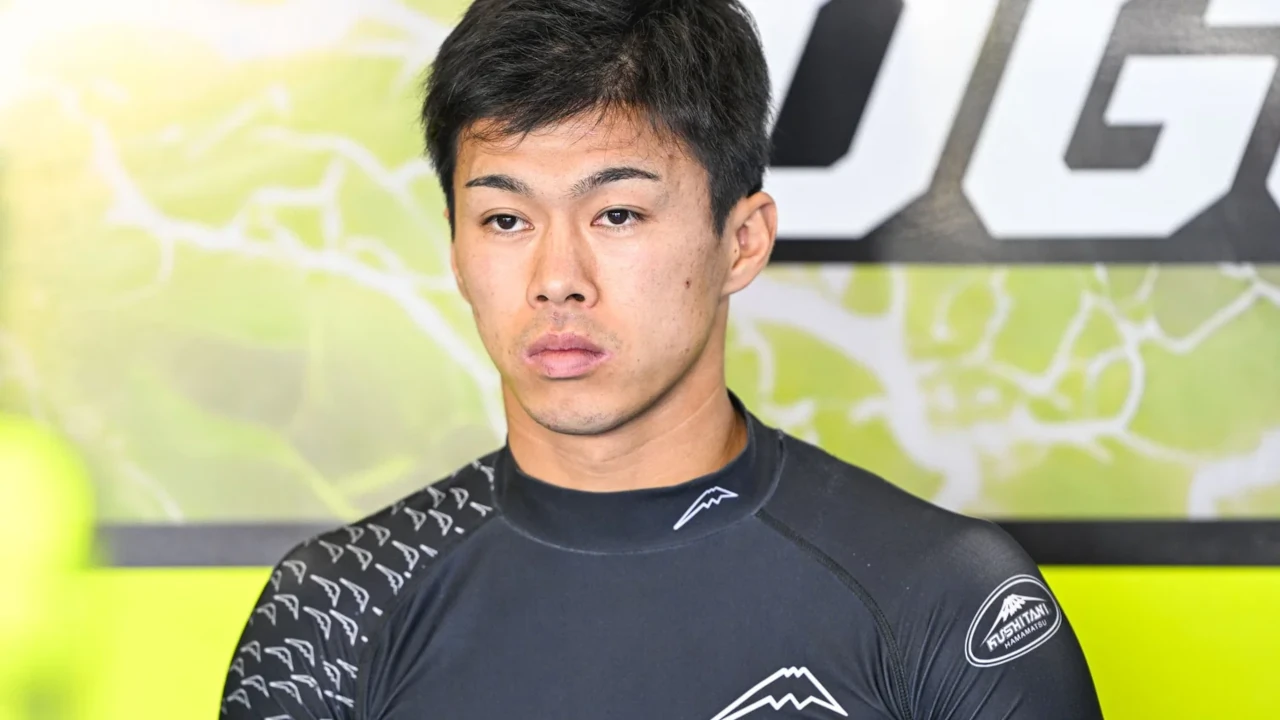
Mandalika – Ai Ogura delivered one of the standout performances of the 2026 Indonesian MotoGP weekend, securing second place in the Sprint Race at Pertamina Mandalika International Circuit. His podium finish provided a positive result for Aprilia’s wider racing operation after a difficult Saturday for the factory team.
While Ogura brought his Trackhouse Racing RS-GP26 home in second, Aprilia Racing experienced a more complicated sprint. Jorge Martín lost his chance to fight for victory after encountering front tyre pressure problems, while Marco Bezzecchi’s race ended following an incident at Turn 1.
Raúl Fernández also had reason to celebrate after securing pole position in qualifying with a lap time of 1:28.852. However, the opening-corner incident involving Bezzecchi and other riders prevented Aprilia from converting its strong qualifying performance into a more convincing sprint result.
The contrasting outcomes highlighted both the competitiveness of Aprilia’s machinery and the fine margins that can determine results in MotoGP.
Ogura Converts His Opportunity Into a Podium
Ogura’s second-place finish was a significant highlight for Trackhouse Racing. The Japanese rider capitalised on the changing positions at the front and maintained a competitive pace throughout the short race.
Sprint races leave little room for recovery after a poor start or an error. Riders must establish their position quickly, manage tyre performance and maintain concentration over a limited number of laps.
Ogura handled those demands effectively at Mandalika. His podium demonstrated the potential of the RS-GP26 and gave the Trackhouse team a strong result during a weekend when the factory Aprilia squad faced several setbacks.
The result also reinforced Ogura’s growing importance within MotoGP’s competitive field. As a rider representing a satellite team using Aprilia machinery, his performance offered useful evidence of the package’s potential across different teams.
For Trackhouse, the podium provided a reason for optimism heading into Sunday’s Grand Prix, where the longer race distance would introduce additional demands on tyre management and consistency.
Jorge Martín Loses Victory After Front Tyre Pressure Problems
Martín appeared well positioned to win the sprint after starting fifth on the grid and moving into the lead at the opening stages.
The Spaniard said he was able to control the gap before front tyre pressure became a major concern. He attempted to manage the situation, including running behind Marc Márquez, but eventually lost the opportunity to challenge for the lead again.
Martín also acknowledged making a mistake during the closing stages, which further reduced his chances of recovering the position. He ultimately finished fourth.
The result was frustrating because his pace suggested he could have fought for victory. However, front tyre pressure can significantly affect a MotoGP motorcycle’s behaviour, particularly in demanding conditions.
When pressure rises beyond the ideal operating range, front-end feel and handling can change. This can make it more difficult for a rider to brake consistently, turn into corners and maintain confidence when pushing at the limit.
Aprilia technical director Fabiano Sterlacchini acknowledged that the team needed to assess its preparation and allow for a greater margin under the conditions at Mandalika.
Despite the setback, Martín remained optimistic about Sunday’s race, believing the speed was available for another strong performance.
Marco Bezzecchi’s Sprint Ends at Turn 1
Bezzecchi’s sprint ended almost immediately after contact in the opening corner.
The Italian rider was caught in the crowded pack at the start, where several motorcycles converged as riders fought for position. The incident forced him out of the race before he could demonstrate the pace shown during the earlier sessions.
Fortunately, Bezzecchi escaped without injury. However, the crash represented another missed opportunity for Aprilia Racing after the team had entered the sprint with strong expectations.
Bezzecchi said that the crowded opening corner created a situation in which riders sometimes have to react to circumstances around them. He expressed disappointment but remained focused on the main Grand Prix.
His retirement also underlined the unpredictable nature of the sprint format. Even a rider who has prepared well throughout the weekend can lose the chance to score points within seconds of the start.
For Aprilia, keeping both factory riders in contention on Sunday would be important after the setbacks experienced in the sprint.
Raúl Fernández’s Pole Position Shows Aprilia’s Speed
Fernández’s qualifying performance was another positive sign for Aprilia-powered machinery. The Trackhouse rider claimed pole position with a lap of 1:28.852, demonstrating the RS-GP26’s potential over a single lap.
However, pole position did not guarantee a straightforward sprint. The opening-lap incident meant Fernández could not fully capitalise on his qualifying achievement.
His result illustrated the difference between outright pace and race execution. Qualifying rewards a rider’s ability to extract maximum performance over a single lap, while a sprint requires strong starts, race awareness and the ability to respond to changing conditions.
Despite the disappointment, Fernández’s pole position remained an encouraging indicator for Trackhouse. The team had demonstrated that its motorcycle could compete at the front, even though the sprint did not deliver the result expected after qualifying.
The challenge was to turn that speed into a more complete result in Sunday’s longer race.
Aprilia Looks for a Stronger Sunday
Aprilia’s Saturday at Mandalika produced contrasting outcomes. Ogura’s podium provided a major positive, Martín demonstrated race-winning speed before losing the lead, Bezzecchi retired after the opening-corner incident, and Fernández showed strong qualifying pace with pole position.
Sterlacchini acknowledged that the team needed to learn from the sprint and improve its approach for the Grand Prix. He remained confident that all four Aprilia riders had the potential to deliver stronger performances.
The main priorities included understanding the front tyre pressure issue, improving race execution and avoiding incidents that could end a rider’s race before the contest had properly developed.
The longer Grand Prix would also test tyre management and consistency in ways that the sprint could not fully replicate.
For Ogura and Trackhouse, second place provided momentum. For Martín and the factory Aprilia team, the focus shifted to turning their speed into a better result.
Aprilia left Saturday with both encouragement and lessons to address. Ogura’s podium showed what the RS-GP26 could achieve, while the setbacks involving Martín and Bezzecchi demonstrated how quickly a promising weekend can become complicated in MotoGP.