

Jakarta – The global electric vehicle race is usually measured in numbers. Automakers compare annual sales, governments compete to attract new factories, and investors closely watch battery costs, delivery volumes and market share.
But those figures may not tell the entire story.
As the electric vehicle industry expands into new markets, another measure of success is beginning to emerge: whether the transition can create better jobs, stronger communities and more opportunities for people whose lives may never appear in a sales report.
For Dennis Ramdan Nugraha, an Indonesian engineer, the impact of the growing EV industry is measured in something much simpler than production targets.
It is the opportunity to have breakfast with his family.
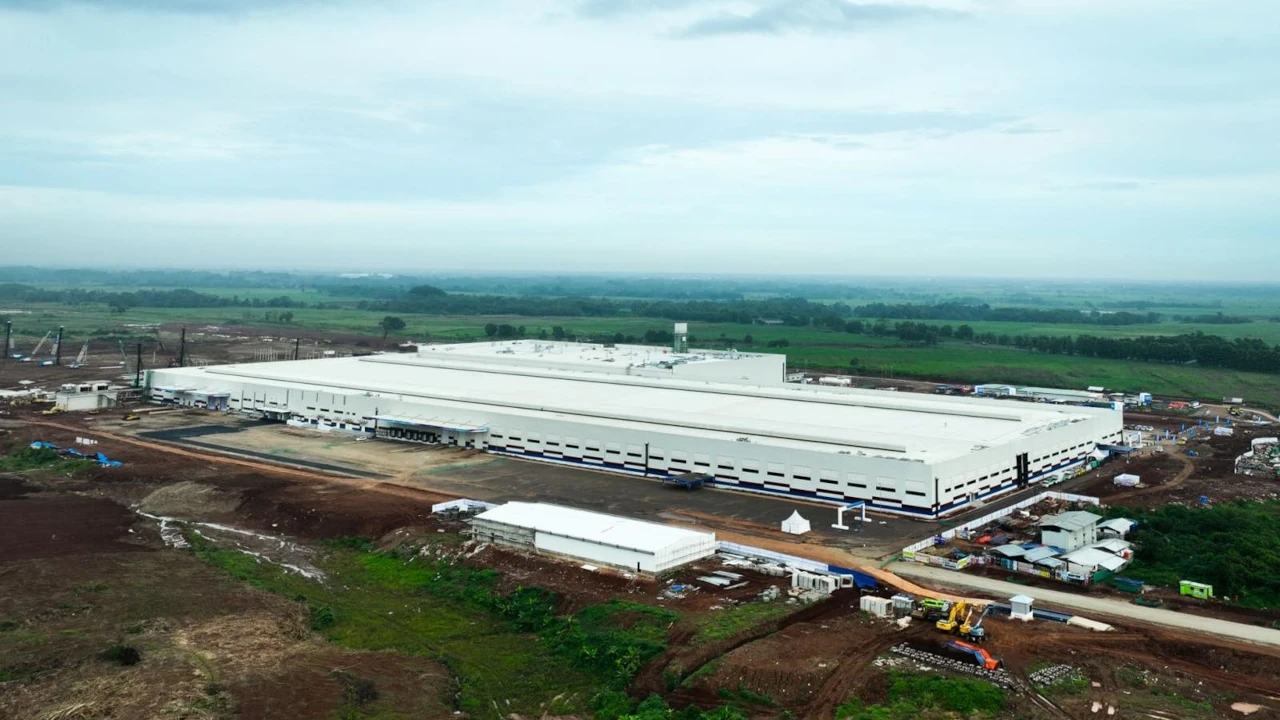
After spending years working far from home, Dennis found a chance to continue his engineering career closer to his family when VinFast established its assembly facility in Subang, West Java. The move changed more than his workplace, giving him an opportunity to pursue his profession without spending long periods away from home.
His story reflects a wider question facing the global EV industry: what does an electric vehicle revolution actually mean if it is only measured by the number of cars produced?
Beyond Sales, Batteries and Production Numbers
The first phase of the global EV race has been largely driven by technology.
Automakers have competed to build longer-range batteries, faster charging systems, more advanced software and increasingly competitive electric vehicles. At the same time, countries have raced to attract investment in manufacturing plants and build their positions within the future automotive supply chain.
Those efforts remain important.
However, as electric vehicle technology becomes increasingly competitive across different manufacturers, the next stage of the industry may depend on factors beyond the vehicles themselves. Manufacturing capabilities, local supply chains, charging infrastructure, after-sales services and workforce development could become equally important.
That is where the wider economic impact of the EV ecosystem enters the conversation.
An EV factory does not only require people to assemble vehicles. It can create demand for engineers, quality control specialists, logistics workers, recruiters, maintenance teams and component suppliers.
The ecosystem can then expand further through dealerships, charging infrastructure, financing, software, fleet operations, servicing and recycling.
In other words, the real impact of electrification may stretch far beyond the factory floor.
Different Jobs, Different Lives, One Growing Ecosystem
VinFast has been expanding its manufacturing footprint beyond Vietnam, including facilities in Tamil Nadu, India, and Subang, Indonesia.
The company has also developed a wider mobility ecosystem that includes Green SM, creating additional opportunities for professional drivers in Southeast Asia.
For Sarah Ainun Majid, that opportunity came from behind the wheel rather than inside a factory.
A former stay-at-home mother, Sarah now works as a Green SM driver in Indonesia. For her, the value of the job is not measured by vehicle specifications or charging speeds, but by the independence and flexibility it provides.
“I used to be a stay-at-home mother. Now, I can confidently manage both roles: being a mother and a working woman,” Sarah said.
More than 3,000 kilometers away in southern India, another story is unfolding around VinFast’s manufacturing expansion.
Jemima, an HR staff member helping build the workforce for VinFast’s Tamil Nadu facility, saw the company as an opportunity to return to the professional world after becoming a mother. Her work now involves helping recruit local talent for an operation expected to create between 3,000 and 3,500 direct jobs, along with thousands of additional opportunities across the broader supply chain.
The experiences of Dennis, Sarah and Jemima are different. They live in different countries, work in different professions and are at different stages of their lives.
Yet their stories point toward the same idea: industrial development can have an impact long before it appears in production statistics.
The Multiplier Effect of the EV Industry
This broader economic effect helps explain why governments are increasingly competing to attract electric vehicle investment.
A new manufacturing facility can become the starting point for a much larger network of economic activity. Local suppliers may gain new customers, workers can develop new technical skills and service industries can grow around the expanding automotive ecosystem.
India offers one example of how significant that effect could become.
Industry estimates suggest that India’s EV sector could create between 30 million and 40 million jobs by 2030. However, only around 10 to 15 percent of those opportunities are expected to come directly from vehicle manufacturing.
Much of the employment growth could instead come from areas including charging infrastructure, battery production, software development, fleet operations, maintenance, logistics and recycling.
That distinction is important.
The success of an EV industry cannot necessarily be judged only by how many vehicles a country produces. A large part of the economic value may come from everything built around those vehicles.
Global research has reached a similar conclusion. The International Labour Organization has projected that a strong domestic EV manufacturing ecosystem could support more than 500,000 additional manufacturing jobs by 2030 and around 1.7 million by 2045 under an EV-driven industry scenario.
At the same time, the organization has warned that countries heavily dependent on imports could lose a significant share of that economic value.
The Next EV Race May Be About Building Ecosystems
The next stage of the EV race could therefore look very different from the first.
Technology will remain a major factor, and consumers will continue to compare range, performance, charging capability and price. But as the technology gap between competing products narrows, the ability to build a sustainable ecosystem may become a bigger competitive advantage.
That means developing local talent, strengthening supply chains and creating the infrastructure required to support electric mobility over the long term.
For VinFast, this approach has become part of its expansion beyond vehicle production.
Its facilities in Tamil Nadu and Subang are intended to support local manufacturing while creating opportunities for workforce development. Through Green SM, the ecosystem also extends into mobility services, creating earning opportunities for professional drivers as electric vehicles begin operating on the road.
The company has explored this broader vision through Driven by Dreams, a documentary following employees, partners and drivers in Vietnam, India and Indonesia.
The central idea is straightforward: development becomes more meaningful when it gives people more choices and greater confidence in building their future.
That is a perspective often missing from discussions dominated by market share and production capacity.
More Than Vehicles on the Road
The global transition to electric vehicles will continue to generate headlines about billion-dollar investments, new battery technology and record sales.
Those numbers matter, but they do not necessarily capture the full impact of industrial change.
For governments, the question may increasingly be how much investment can generate local value. For communities, it may be whether new industries create stable employment and opportunities close to home.
And for workers like Dennis, Sarah and Jemima, the answer can be far more personal.
It can mean spending more time with family, returning to a professional career, gaining financial independence or developing skills for a changing economy.
The EV revolution will ultimately be visible through the vehicles that reach the road. But its longer-lasting legacy may be shaped by something less visible: the opportunities created behind every factory, charging station, service network and electric vehicle.
If the next generation of mobility is meant to transform more than transportation, perhaps its real measure of success will not only be how far electric vehicles can travel.
It may also be how far the opportunities created by the industry can reach.