

Yogyakarta – ALVA has reached a new milestone in Indonesia’s electric motorcycle market after officially distributing its 20,000th unit. More than a sales achievement, the milestone provides an indication of how electric motorcycles are increasingly being used for everyday mobility in Indonesia.
The company reached the 20,000-unit mark only nine months after recording 10,000 users in December 2025. During that period, ALVA said its user base doubled, representing 100 percent growth as more consumers began relying on its electric motorcycles for their daily activities.
One of the clearest indicators of this usage can be seen in the distance travelled by ALVA users. By June 2026, users had accumulated more than 78 million kilometres, equivalent to roughly 1,900 trips around the Earth.
That figure suggests that electric motorcycles are increasingly being used beyond occasional rides or as an alternative vehicle. For many users, the motorcycle has become part of their regular transportation needs.
From EV Ownership to Everyday Mobility
Electric vehicle adoption is often measured through sales or registration figures. However, the number of kilometres travelled can provide a different perspective because it shows how frequently vehicles are actually being used.
ALVA’s 78-million-kilometre figure represents the accumulated journeys of its users. While the figure alone does not describe every individual riding pattern, it highlights the scale of everyday activity taking place across the company’s electric motorcycle user base.
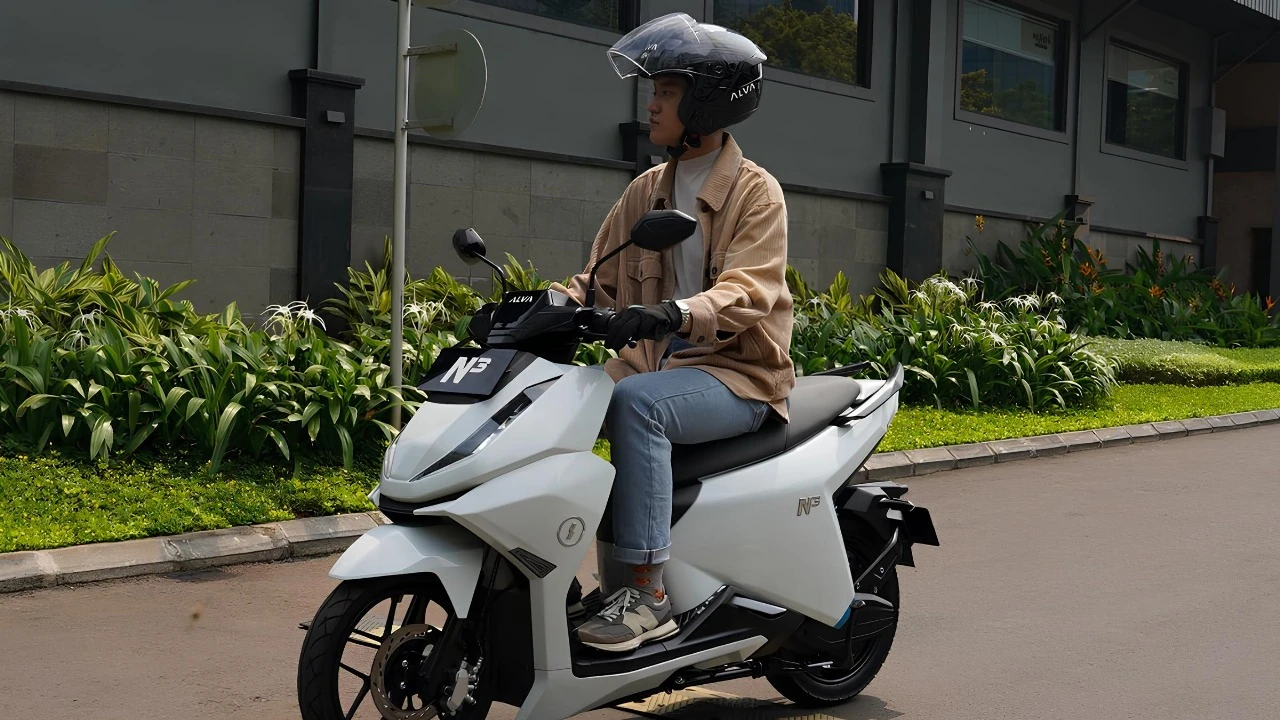
Supriadi from Yogyakarta became ALVA’s 20,000th user and received an ALVA N3 Next Gen as part of the milestone. He said his decision was influenced by the motorcycle’s specifications and features for everyday mobility.
The experience reflects a broader shift in how electric motorcycles are positioned in the market. Instead of being viewed only as environmentally friendly alternatives, they are increasingly expected to fulfil practical requirements such as commuting, running errands, and supporting regular daily activities.
Charging Infrastructure Becomes More Important
As electric motorcycles are used more frequently, charging infrastructure becomes an important part of the ownership experience. A motorcycle that is intended for daily use needs convenient access to charging facilities, particularly for users who travel longer distances.
ALVA has continued expanding its Boost Charge network alongside its growing user base. In Yogyakarta, the company reported that the number of Boost Charge connectors increased from 29 in December 2025 to 64 by September 2026.
The expansion provides users with more charging options and supports the increasing variety of journeys undertaken with electric motorcycles. Infrastructure therefore becomes an important part of encouraging consumers to use an EV as a primary vehicle rather than simply as a secondary form of transportation.
The relationship between vehicle adoption and charging availability can also become increasingly important as the number of electric motorcycles on Indonesian roads grows. More users mean greater demand for convenient and reliable charging access.
ALVA N3 Next Gen Focuses on Personalised Riding
Product technology is another factor influencing the everyday usability of electric motorcycles. ALVA N3 Next Gen, for example, offers a claimed range of up to 140 kilometres and a maximum speed of 80 km/h.
The model is also equipped with ALVA Intelligent Personalized Riding Optimizer (AIPRO), which is available through the MyALVA application. The system allows users to personalise aspects of the riding experience through features such as Hill Start Assist, Hill Descent Assist, Regenerative Braking, and Ride Mode Limiter.
These features are designed to address different riding situations rather than simply increasing performance. For daily users, assistance systems can become useful when dealing with hills, traffic, or different riding preferences.
ALVA also provides Bike Sharing functionality through its connected ecosystem. The combination of vehicle features and digital services reflects the way electric motorcycles are increasingly being developed as connected mobility products rather than conventional motorcycles with an electric powertrain.
The Cost of Daily Travel
Running costs are another consideration for consumers deciding whether an electric motorcycle can replace a conventional petrol-powered motorcycle.
According to ALVA’s user journey data, N3 Next Gen users travel an average of 35 kilometres per day. The company estimates the travel cost at around Rp1,237 per journey, resulting in potential savings of approximately 79 percent compared with a petrol motorcycle travelling the same distance.
ALVA estimates the difference could amount to around Rp140,000 in monthly savings. Actual savings, however, can vary depending on electricity costs, petrol prices, charging habits, riding conditions, and individual usage patterns.
The calculation nevertheless illustrates one of the main reasons electric motorcycles can become attractive for high-frequency users. When a motorcycle is used every day, even relatively small differences in operating costs can accumulate over time.
Ownership Support Beyond the Motorcycle
Daily usability also depends on what happens after a customer purchases the vehicle. For this reason, ALVA has developed ALVA Care, which includes 24-hour customer service and roadside assistance, warranty coverage, free data packages, free charging access at Boost Charge, and after-sales partners in more than 130 locations.
The company says these ownership benefits have a value of up to approximately Rp3 million per customer, subject to the applicable terms and conditions.
Such services can be particularly relevant for consumers who depend on an electric motorcycle for their primary transportation. As electric vehicles become more integrated into everyday life, maintenance, roadside support, and charging access become just as important as the specifications of the vehicle itself.
What the 20,000-Unit Milestone Shows
ALVA’s 20,000-unit milestone comes at a time when Indonesia’s electric motorcycle market is moving beyond the early-adopter phase. The company’s growing user base, combined with the accumulated distance travelled, provides an example of how electric motorcycles can become part of regular transportation.
The next challenge is to maintain that momentum while continuing to improve charging infrastructure, after-sales support, technology, and product capability. These factors will influence whether consumers see electric motorcycles as practical long-term alternatives to petrol-powered motorcycles.
For ALVA, reaching 20,000 distributed units is therefore more than a production milestone. The 78 million kilometres accumulated by its users offers another measure of the company’s progress: how many real journeys its electric motorcycles are supporting on Indonesian roads.
As more consumers begin using EVs for commuting and other daily activities, the future of electric motorcycles in Indonesia may ultimately be determined not simply by how many units are sold, but by how effectively those vehicles fit into everyday life.