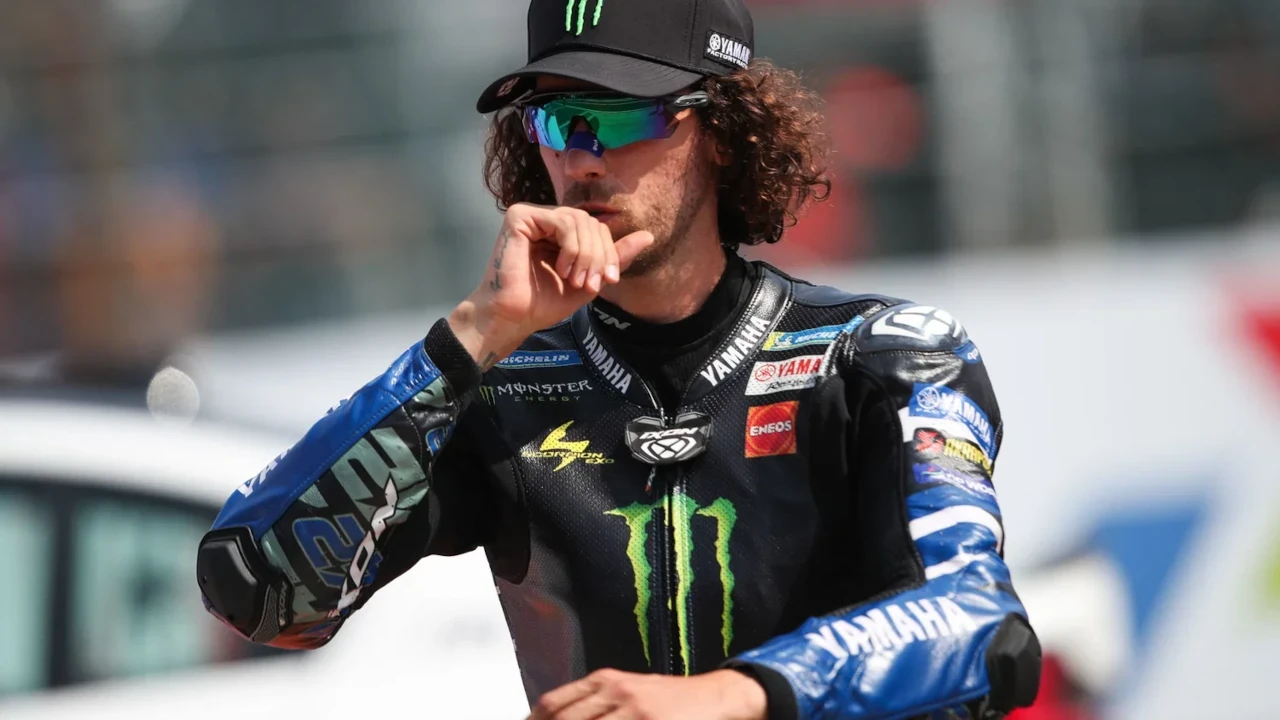
Mandalika – Alex Rins has revealed that he received death threats and messages threatening violence following a controversial exchange with a marshal at the 2026 Indonesian MotoGP Grand Prix at Pertamina Mandalika International Circuit.
The Yamaha rider became the subject of widespread attention after footage circulated on social media showing him arguing with trackside marshals and making an offensive gesture following a crash during Friday’s practice session on October 9.
Rins addressed the incident on Saturday, October 10, explaining that a misunderstanding had occurred while he was attempting to return to the Yamaha garage. He acknowledged that his reaction was inappropriate and apologised for his behaviour.
However, the Spaniard also condemned the threats directed at him after the footage spread online, stressing that criticism of his actions should not escalate into threats of violence.
The incident has renewed concerns about abusive behaviour within motorsport communities on social media, where disagreements involving riders can quickly develop into personal attacks.
How the Dispute With the Marshal Started
The controversy began near the end of Friday’s practice session at Mandalika, when Rins crashed at the final corner.
With little time remaining in the session, the Yamaha rider was unable to continue on his motorcycle. He subsequently encountered several marshals who were assisting him after the incident.
According to Rins, two or three marshals were present with scooters, and there was confusion about how he would return to the team’s garage.
The rider said he boarded one marshal’s scooter because he believed it would take him back to the paddock. However, the scooter stopped before reaching his intended destination, and a disagreement developed over whether he should continue by another means.
Rins explained that he wanted to return directly to the garage, while the marshal indicated that he should use a car instead.
The situation became increasingly tense, and video footage showed Rins making an offensive hand gesture toward the marshals before leaving the area.
The footage quickly attracted attention from MotoGP fans, many of whom criticised the rider’s behaviour toward the trackside personnel.
Marshals play an important role in motorcycle racing. They assist riders after crashes, help manage incidents around the circuit and contribute to the safe operation of race sessions. Their work often takes place under demanding conditions, making respectful treatment of trackside personnel an important issue in motorsport.
Rins Apologises for His Reaction
Speaking after Saturday’s sprint race, Rins described the incident as an unusual misunderstanding and acknowledged that his reaction was wrong.
The Yamaha rider explained that he had been under stress following the crash and the confusion surrounding his return to the garage.
In a statement shared on social media, Rins apologised for his gesture and emphasised that it was not appropriate, particularly because young fans look up to MotoGP riders.
He also expressed respect for marshals and the work they perform at racing events.
Rins subsequently spoke with the FIM stewards about the incident. According to his account, the officials were surprised by the circumstances he described.
The exchange did not result in a reported penalty at the time of the published coverage.
Although Rins accepted responsibility for his behaviour, his explanation did not end the controversy. The video had already generated strong reactions, and the rider said the response extended beyond criticism of his actions.
Death Threats Cross the Line
Rins revealed that some of the messages he received included references to death and violence.
The admission changed the focus of the controversy. While fans were entitled to criticise his gesture toward the marshal, threats against a rider represent a different and more serious form of behaviour.
Rins acknowledged that people were upset by his reaction but argued that threats and abuse should never be acceptable.
His position drew a clear distinction between holding a professional athlete accountable and directing threatening messages at that person.
The distinction is particularly relevant in motorsport, where incidents on track and confrontations away from it can provoke intense reactions from passionate supporters.
Social media allows fans to follow riders closely and respond immediately to events. However, the same platforms can also amplify anger, encourage hostile exchanges and expose athletes to large volumes of abusive messages.
In Rins’ case, the footage of his interaction with the marshals became the starting point for criticism that he said escalated into threats of violence.
At the time of the report, MotoGP had not issued an official statement specifically addressing the threats against the Yamaha rider.
A Wider Problem Across Motorsport
The incident involving Rins is part of a broader challenge facing motorsport. Riders and drivers increasingly encounter online abuse after controversial decisions, collisions and public disagreements.
Formula 1 has also faced similar incidents involving drivers, their families and supporters. In some cases, criticism of a sporting incident has developed into personal harassment and threats against individuals associated with a team.
MotoGP has experienced comparable problems. Rivalries between riders and disagreements over incidents can generate intense debate among fans, particularly when a collision affects a championship battle.
These reactions can create an unhealthy environment when supporters target individuals rather than discuss the sporting issue itself.
The responsibility for addressing online abuse extends beyond the athletes who receive it. Fans, teams, championship organisers and social media platforms all have a role in encouraging responsible behaviour and responding to credible threats.
Clearer reporting procedures and consistent action against threatening accounts could help limit the spread of abusive messages. Public figures can also encourage supporters to disagree without resorting to intimidation.
The goal should not be to prevent criticism. Constructive criticism remains an important part of professional sport. Instead, the focus should be on ensuring that criticism does not become harassment or a threat to someone’s safety.
The Difference Between Accountability and Abuse
The Alex Rins controversy illustrates two issues that should be considered separately.
First, riders are public figures who can be held accountable for their behaviour. Rins recognised that his gesture toward the marshal was inappropriate and apologised for it.
Second, that mistake does not justify threats of death or violence. Disapproval of a rider’s actions should not become a reason to threaten the person behind the helmet.
The incident also highlights the difficult circumstances in which marshals work. They provide essential support during crashes and other trackside incidents, and they deserve respect from riders, teams and spectators.
For Rins, the immediate controversy began with a stressful misunderstanding after a crash. It subsequently developed into a wider discussion about online conduct and the treatment of professional athletes.
As MotoGP continues to attract passionate audiences around the world, maintaining respect both on and off the track remains important.
Rins has acknowledged his mistake. The threats he says he received, however, raise a separate concern that extends beyond one rider, one marshal or one race weekend: criticism is part of sport, but threats and intimidation should never be treated as an acceptable response.