

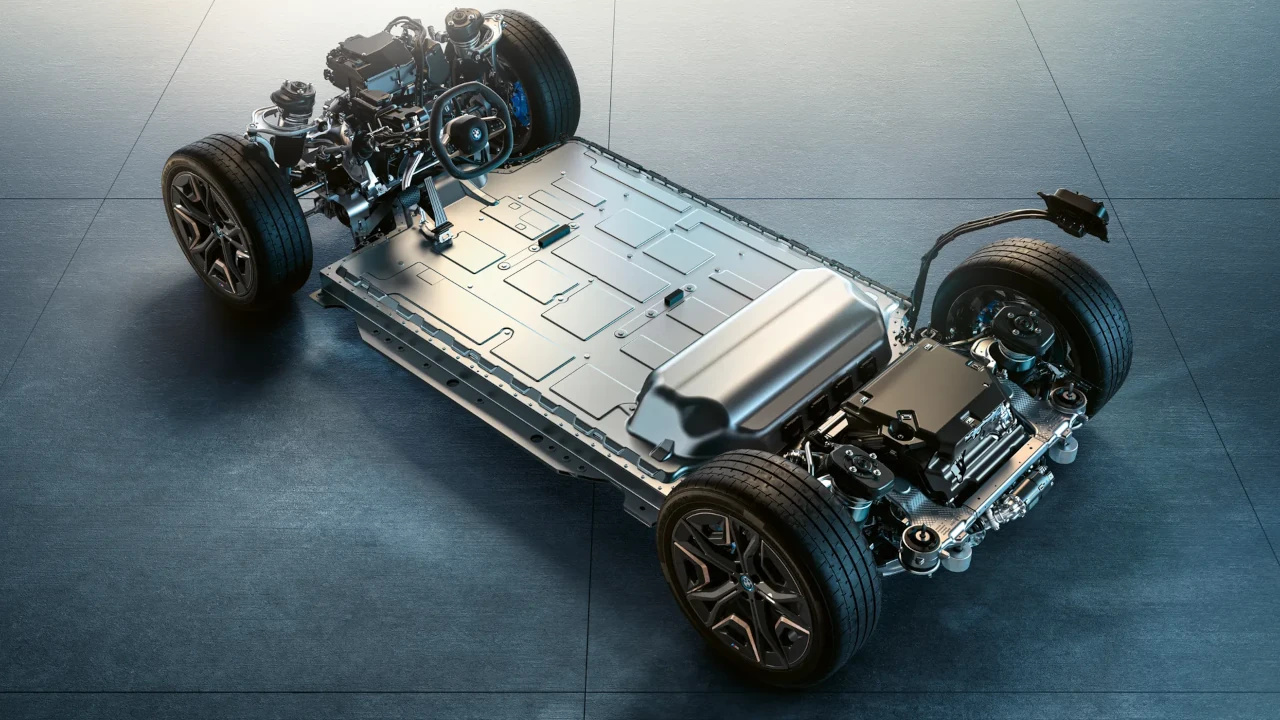
Jakarta – Batteries are no longer being viewed solely as a critical component of electric vehicles. As renewable energy capacity expands, energy storage is becoming increasingly important for balancing power systems, improving grid flexibility and supporting the transition away from fossil fuels.
That broader role was among the key themes discussed at the International Battery Summit (IBS) 2026, held from August 26 to 28 at the JIEXPO Convention Centre & Theatre in Jakarta.
The event, themed “Empowering the Energy Transition through Advanced Battery Technology, Renewable Energy, Storage & E-mobility,” brought together representatives from governments, industry, universities, research institutions, investors and technology companies.
According to the organizers, the summit attracted participants from 40 countries, along with representatives from 174 associations and companies, 66 universities and 41 government agencies.
Batteries Move Beyond Electric Vehicles
The rapid growth of electric vehicles has been one of the biggest drivers of battery development worldwide. But the next phase of growth could increasingly come from stationary energy storage rather than vehicles alone.
Battery Energy Storage Systems, or BESS, are becoming more important as countries add larger volumes of solar and other renewable energy sources to their power grids.
Unlike conventional power plants, solar generation depends on weather conditions and is only available when sunlight is present. Energy storage can help address that intermittency by storing electricity when supply is abundant and releasing it when generation falls or demand rises.
Muhammad Firmansyah, Director of Business & Academy Development at the National Battery Research Institute and Executive Director of Id Battery, said Indonesia’s future battery demand would increasingly be linked to renewable energy development.
He pointed to Indonesia’s plans to develop up to 100 gigawatts of solar power capacity, which could make energy storage a strategic part of maintaining grid reliability and optimizing the use of solar electricity.
The shift could also create a new growth opportunity for Indonesia’s battery industry, expanding its potential market beyond the automotive sector.
Indonesia Looks Beyond Raw Materials
Indonesia has frequently been associated with the global battery supply chain because of its large nickel resources. But access to raw materials alone may not be enough to build a competitive battery industry over the long term.
Prof. Dr. rer. nat. Evvy Kartini, founder of the National Battery Research Institute and chair of the International Battery Summit 2026, said Indonesia needed to strengthen its technological capabilities and human resources alongside investment and natural resource development.
She said a competitive and sustainable battery ecosystem would require stronger research, innovation and technological expertise, as well as closer cooperation between government, universities, industry and research institutions.
The challenge is particularly important as battery technology continues to evolve. Competition is no longer focused only on securing minerals or building manufacturing plants, but also on improving battery chemistry, energy density, safety, charging performance, durability and recycling.
Countries hoping to capture more value from the battery supply chain will therefore need to develop expertise across multiple areas, from research and cell development to manufacturing, testing and end-of-life management.
For Indonesia, the growth of stationary energy storage could add another layer to that industrial strategy.
A larger domestic market for BESS could potentially support local technology development and manufacturing while reducing reliance on a single source of battery demand.
The Growing Role of Energy Storage
The expansion of renewable energy is changing how electricity systems need to operate.
Traditional power grids were largely built around power plants that could generate electricity according to demand. Renewable sources such as solar and wind introduce a more variable supply, increasing the need for technologies that can store energy or provide flexibility to the grid.
BESS can play several roles in that system, including storing excess renewable electricity, managing fluctuations in supply and demand, and potentially improving the reliability of power networks.
This means batteries could become increasingly important infrastructure in the energy transition, rather than simply an automotive technology.
The International Battery Summit also highlighted the need for Indonesia to connect industry demand with research, innovation and talent development if it wants to strengthen its position in the global battery ecosystem.
The opportunity extends from electric vehicles and energy storage to the wider technologies and services needed to support a growing battery economy.
As renewable energy deployment accelerates, the question for Indonesia may no longer be limited to how many electric vehicles it can put on the road.
The bigger challenge will be whether the country can build the technology, expertise and industrial ecosystem needed to make batteries a central part of its future energy system.