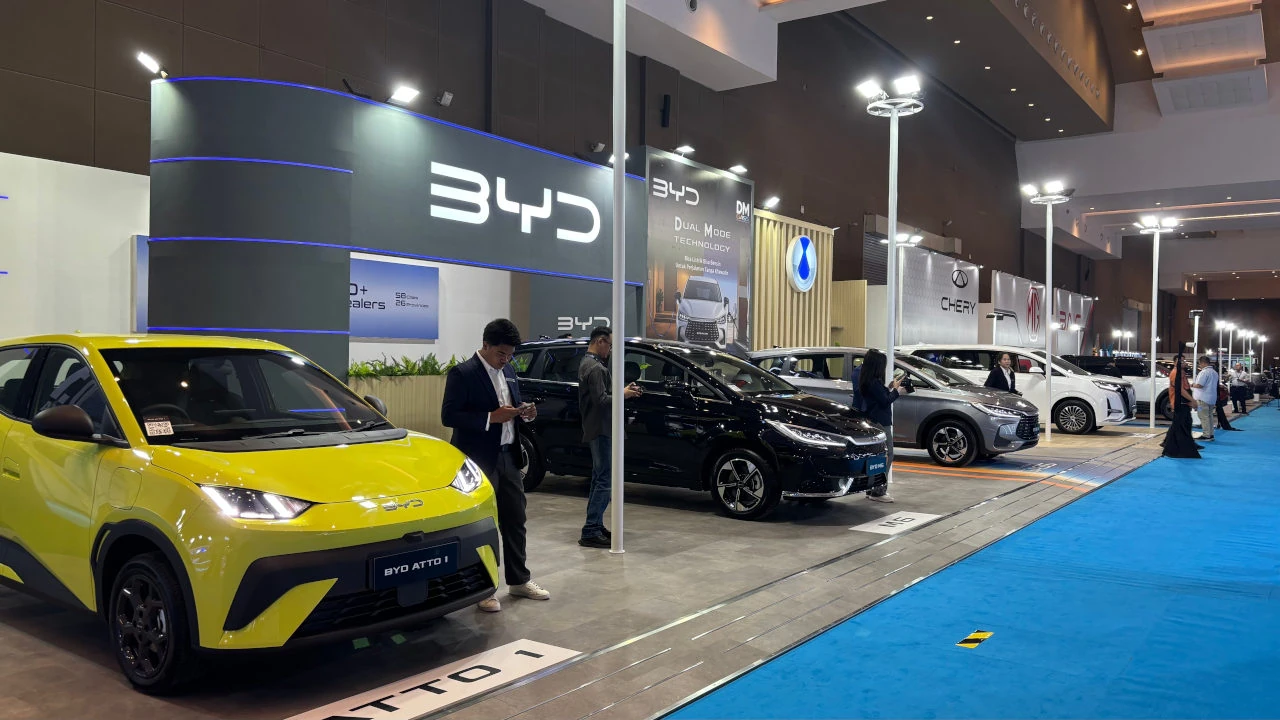
Jakarta – Indonesia wants more than electric vehicle sales. The country also aims to strengthen domestic manufacturing, develop battery technology, and increase local component production. These priorities took center stage at the 2026 Periklindo Electric Vehicle Show (PEVS) in Jakarta.
Industry leaders highlighted the opportunities created by the growing electric vehicle (EV) market. However, they also stressed the need to build stronger industrial capabilities at home.
The challenge is clear. Indonesia needs to turn rising EV demand into long-term economic value. To achieve that goal, the country must develop its manufacturing capacity, skilled workforce, and supporting supply chain.
Indonesia Seeks Greater Value from EV Growth
Moeldoko, chairman of PERIKLINDO, described electric vehicles as a game changer for the automotive industry. He pointed to changes in technology, energy use, and industrial development.
Moreover, he argued that electrification creates an opportunity for Indonesia to strengthen its national capabilities. Instead of simply following developments in conventional automotive manufacturing, Indonesia can develop expertise in emerging technologies.
This shift requires investment in people and production facilities. In particular, manufacturers need skilled workers who understand electric powertrains, battery systems, and related technologies.
Moeldoko also emphasized vocational education. According to him, Indonesia must prepare workers to meet the needs of factories producing electric vehicles and their components.
Consequently, workforce development will play an important role in the country’s EV ambitions. Strong manufacturing capabilities depend not only on investment, but also on people who can operate, maintain, and develop advanced technologies.
Local Content Becomes a Key Priority
The Ministry of Industry also highlighted the importance of domestic manufacturing.
Setia Diarta, Director General of Metal, Machinery, Transportation Equipment, and Electronics Industries, discussed the need to increase local content in electric vehicles. He emphasized that Indonesia should not remain merely a market for imported technology.
Instead, the country needs to deepen its manufacturing capabilities. This includes producing more components locally and expanding domestic industrial expertise.
According to figures cited in his PEVS 2026 remarks, Indonesia’s EV population reached approximately 541,000 units through August 2026. He also reported that battery electric vehicles (BEVs) increased their share of the car market from 0.99% in 2022 to 16.88% by August 2026.
These figures indicate the growing importance of electrification in Indonesia’s automotive market. However, rising sales alone do not guarantee stronger domestic manufacturing.
For that reason, the government is focusing on local content requirements. Setia outlined a roadmap that targets minimum domestic content of 40% through 2026 and 60% during 2027–2029. The subsequent target is 80%, although its implementation period requires further confirmation.
Higher local content could encourage manufacturers to source more components domestically. Furthermore, it could create opportunities for local suppliers to participate in the EV supply chain.
Note: The market figures and local content targets above follow the figures cited in the PEVS 2026 remarks. Their precise definitions and applicable regulatory periods should be confirmed against official government sources before publication.
Battery Manufacturing Is Central to the Strategy
Indonesia’s EV ambitions also depend on its ability to develop a competitive battery industry.
Setia highlighted the need to build an integrated supply chain. This includes raw material processing, battery cell manufacturing, module production, battery packs, and vehicle assembly.
In addition, the country needs to develop battery management systems. These systems help monitor and manage battery performance during vehicle operation.
Battery recycling is another important part of the equation. As EV adoption grows, Indonesia will need solutions for batteries that reach the end of their service life.
Therefore, investment should extend beyond vehicle assembly. A stronger domestic battery industry could help Indonesia capture more value from the wider EV market.
Local expertise will also matter. Research, engineering capabilities, and industrial partnerships can help companies move beyond basic manufacturing activities.
Charging Infrastructure Must Keep Pace
Manufacturing is only one part of Indonesia’s electric mobility transition. The country must also ensure that its charging infrastructure keeps pace with vehicle adoption.
Moeldoko warned that a growing EV population could create pressure on public charging stations. Without sufficient charging capacity, drivers could face longer queues and less convenient journeys.
Furthermore, the national electricity supply must accommodate rising demand. Government agencies, electricity providers, and private investors will need to coordinate their plans.
Private investment could also help expand the public charging network. Industry representatives at PEVS highlighted the need to make infrastructure investment more attractive to businesses.
At the same time, policy certainty remains important. Clear and consistent regulations can help companies assess investment risks and plan their expansion.
As a result, infrastructure development and industrial growth need to progress together. More vehicles on the road must go hand in hand with reliable charging access.
Policy Certainty Matters for Long-Term Investment
Indonesia’s EV industry also needs predictable government policies. Industry representatives have raised concerns about uncertainty surrounding incentives and their potential impact on consumer decisions.
When buyers are unsure about future incentives, some may delay their purchases. Meanwhile, dealers and manufacturers need reliable assumptions when planning sales and investment.
A clear policy framework could help businesses make better-informed decisions. Longer planning horizons would also give investors more confidence when developing production facilities and charging infrastructure.
However, incentives alone cannot build a competitive EV industry. Indonesia also needs skilled workers, reliable infrastructure, local suppliers, and strong technical capabilities.
These elements must support one another. Otherwise, market growth may outpace the development of the domestic industrial ecosystem.
Turning EV Demand into Industrial Growth
PEVS 2026 highlights both the opportunities and challenges facing Indonesia’s electric vehicle industry.
Growing demand can attract investment and encourage manufacturers to introduce more models. Nevertheless, Indonesia must ensure that this growth also strengthens domestic production.
That means developing local suppliers, expanding battery manufacturing, training skilled workers, and improving charging infrastructure. It also requires clear policies that support long-term business decisions.
Ultimately, Indonesia’s EV ambitions should extend beyond sales figures. The country’s success will also depend on how much technology, manufacturing capability, and economic value it can develop at home.
The next stage of Indonesia’s EV transition is not simply about putting more electric vehicles on the road. It is about building an industry capable of producing, supporting, and developing them.