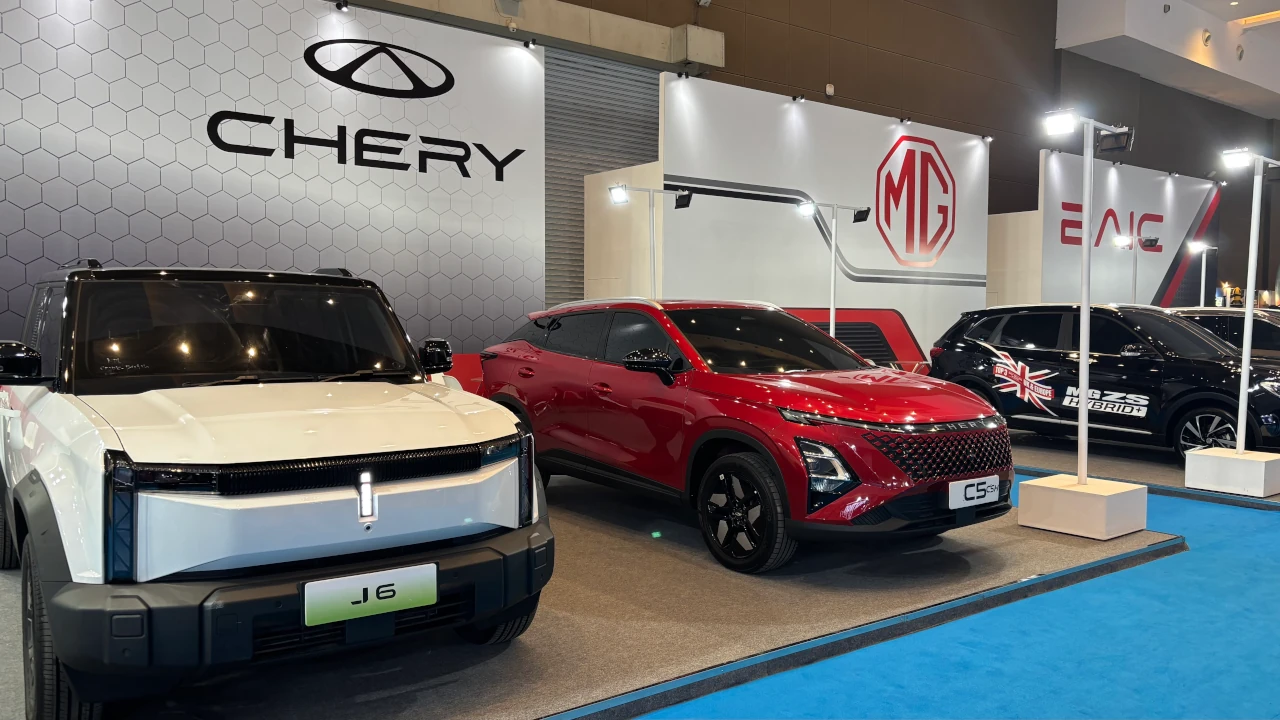
Jakarta – Indonesia’s electric vehicle market is attracting interest from automakers, consumers, and supporting industries. The Periklindo Electric Vehicle Show (PEVS) 2026 offered a look at this developing market through its range of vehicles, promotional programs, and interactive activities.
Organized by the Indonesian Electric Vehicle Industry Association (PERIKLINDO) and Dyandra Promosindo, the exhibition ran for four days. By 3 p.m. on November 1, organizers had recorded 35,257 visitors. The figure could still increase because the exhibition remained open until 6 p.m.
However, visitor numbers alone do not establish how quickly electric vehicle sales are growing. Instead, PEVS 2026 provides several indicators of how companies are presenting their products and engaging potential buyers.
A Diverse Lineup of Electric Vehicles
PEVS 2026 featured 45 exhibitors from the automotive sector and supporting industries. Participating car brands included BYD, Chery, DFSK, Hyundai, MG, Polytron, VinFast, and Wuling.
Meanwhile, the motorcycle segment featured brands such as Alva, Honda, Indomobil E-Motor, Selis, and United E-Motor. This lineup gave visitors access to different electric mobility options in one venue.
The exhibition also included commercial vehicles and supporting technologies. As a result, the event covered more than private passenger cars and motorcycles.
This product diversity reflects the different applications manufacturers are presenting to the Indonesian market. These include personal transportation, commercial operations, and other mobility solutions.
Nevertheless, the presence of multiple brands does not automatically indicate their market share or sales performance. Those conclusions require separate sales and registration data.
Cashback Offers Target Potential Buyers
Promotional incentives were another major feature of PEVS 2026. Dyandra Promosindo offered a cashback program with a total value of up to IDR 200 million for electric car and motorcycle purchases.
Visitors could also access additional offers, including electricity vouchers and accessories or aftermarket vouchers. Furthermore, the exhibition provided test drives and indoor test rides.
These activities gave potential buyers opportunities to explore products before making purchasing decisions. They also allowed visitors to experience selected vehicles directly.
According to the organizers, the cashback program attracted considerable interest. However, the available information does not specify the number of vehicles sold or the total transaction value.
Therefore, the program’s actual effect on sales remains difficult to measure from visitor figures alone.
Electric Mobility Extends Beyond Cars and Motorcycles
PEVS 2026 also presented activities related to education and alternative transportation.
The EV Student Showcase featured projects from universities, including the University of Indonesia, Gadjah Mada University, Budi Luhur University, and Jakarta State Polytechnic. The program highlighted student involvement in electric vehicle technology and innovation.
Meanwhile, the EV Mobility Zone covered land, air, and marine mobility. Exhibits and participants represented different approaches to electric transportation beyond conventional road vehicles.
The event also included modified electric vehicles through EV Fest. In addition, the EV Push Bike Race introduced younger visitors to a cycling-related activity.
These programs broadened the exhibition’s focus beyond vehicle sales. They also provided opportunities to introduce electric mobility to different audiences.
What the Exhibition Tells Us
PEVS 2026 brought automakers, supporting industries, educational institutions, and visitors together. Its combination of vehicle displays, promotional offers, and interactive programs showed how the industry is presenting electric mobility to Indonesian consumers.
PERIKLINDO Chairman Moeldoko also encouraged industry participants to remain optimistic. He said the association would continue connecting businesses with the government to communicate industry challenges and seek solutions.
Still, a clearer assessment of Indonesia’s electric vehicle market requires additional data. Sales volumes, consumer purchasing trends, charging infrastructure, and vehicle ownership figures would provide a more complete picture.
PEVS 2026 offered a snapshot of the products and activities currently shaping the sector. Its longer-term significance will depend on whether consumer interest translates into sustained vehicle adoption.