Jakarta – Automatic scooters in Indonesia have become a familiar sight on roads across the country. From crowded city streets to residential neighbourhoods, these motorcycles support millions of everyday journeys. Their popularity reflects a combination of convenience, practicality, and suitability for local riding conditions.
Unlike manual motorcycles, automatic scooters do not require riders to operate a clutch or change gears manually. This makes them easier to handle in stop-and-go traffic. Their under-seat storage and step-through design also suit many daily transportation needs.
However, convenience is only part of the story. Riding conditions, maintenance requirements, fuel efficiency, and vehicle affordability also influence the popularity of automatic motorcycles in Indonesia.
Why Automatic Scooters in Indonesia Suit Daily Travel
Traffic congestion is a familiar challenge in many Indonesian cities. Riders often face frequent stops, slow-moving vehicles, and limited space between cars and motorcycles.
Automatic scooters simplify these conditions. Riders can accelerate and slow down without repeatedly changing gears. This reduces the effort required during routine commutes.
The design also makes these motorcycles accessible to a broad range of riders. New motorcyclists can learn the basic controls relatively quickly. Experienced riders can benefit from the same convenience during busy daily journeys.
For many households, a scooter serves several purposes. It can support commuting, shopping, school runs, and short trips around the neighbourhood.
Practical Design Makes Automatic Motorcycles in Indonesia Popular
Practicality is another reason automatic scooters remain popular. Many models feature a flat or step-through riding layout, which makes getting on and off relatively easy.
Under-seat storage provides space for everyday items. Depending on the model, riders may carry a raincoat, small bag, or other personal belongings. Some scooters also offer additional storage through accessories.
Their compact dimensions can be useful when navigating narrow streets and parking in limited spaces. These characteristics make scooters suitable for a variety of urban environments.
Manufacturers also offer models with different engine capacities, features, and price points. Buyers can compare basic commuter scooters with larger models that provide more performance and equipment.
This variety helps riders choose a motorcycle that matches their budget and daily requirements.
Fuel Economy and Running Costs Matter
Running costs play an important role in choosing a daily motorcycle. Many riders consider fuel consumption, scheduled servicing, replacement parts, and insurance before making a purchase.
Automatic scooters can provide practical transportation for frequent short trips. However, actual fuel consumption varies according to engine capacity, riding style, traffic conditions, maintenance, and passenger or cargo loads.
Buyers should therefore compare specifications and real-world usage rather than assume every scooter offers the same efficiency.
Maintenance is equally important. Regular servicing helps keep the engine, brakes, tyres, and transmission in suitable condition. Following the manufacturer’s recommendations can also help prevent avoidable repairs.
These considerations matter because a motorcycle used every day may accumulate mileage quickly.
Understanding CVT Maintenance on Automatic Scooters
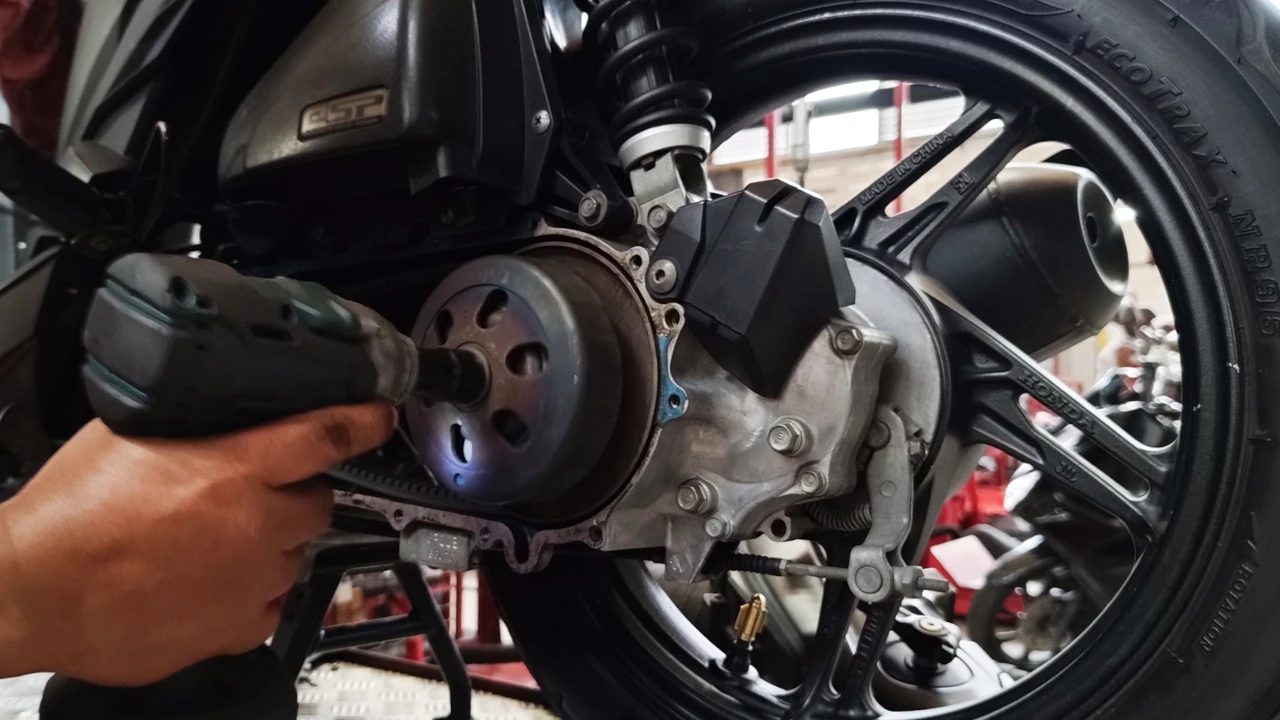
Most conventional automatic scooters use a continuously variable transmission, commonly known as a CVT. This system adjusts the transmission ratio automatically as the motorcycle accelerates.
The CVT typically uses components such as a drive belt, pulleys, and rollers. Together, they help transfer engine power to the rear wheel.
Because the system operates inside a protective housing, some wear may not be visible during ordinary use. According to PT Wahana Makmur Sejati, riders should pay attention to unusual noises, excessive vibration, or changes in acceleration.
A worn drive belt can affect power delivery. If the belt fails, the scooter may lose its ability to transmit engine power to the rear wheel.
Routine inspections are therefore essential. Service intervals and replacement schedules vary by model, so riders should follow the owner’s manual or consult an authorised workshop.
Using suitable replacement parts also helps maintain the transmission’s intended performance.
Choosing the Right Scooter for Indonesian Roads
Although automatic scooters share a similar operating principle, their characteristics can differ significantly. Buyers should consider how they intend to use the motorcycle before choosing a model.
A compact scooter may suit short urban commutes and frequent parking. A larger model may offer more storage, stronger acceleration, or additional comfort for longer journeys.
Seat height, riding position, braking systems, tyre size, and available safety features are also worth considering. Riders should choose a motorcycle they can control comfortably in everyday conditions.
Fuel requirements and servicing costs deserve attention as well. A motorcycle with a competitive purchase price may still require careful budgeting for routine maintenance and replacement components.
Test rides, where available, can help buyers assess comfort and handling before committing to a purchase.
Are Automatic Scooters in Indonesia Here to Stay?
Automatic scooters have established a strong presence in Indonesia’s daily transportation landscape. Their straightforward operation and practical layouts make them suitable for many routine journeys.
Manufacturers continue to offer different designs and equipment levels to address changing customer preferences. Features such as improved lighting, digital displays, keyless systems, and enhanced braking technology are available on selected models.
Nevertheless, buyers should evaluate each motorcycle according to its actual specifications. Equipment can differ by model, variant, and price category.
The long-term ownership experience also depends on responsible riding and regular maintenance. Checking tyre pressure, monitoring brake performance, and servicing the CVT at the recommended intervals can help keep a scooter reliable.
Ultimately, the appeal of automatic scooters in Indonesia comes from their ability to meet everyday transportation needs. They combine ease of use with practical features, making them a compelling option for commuters and households across the country.
As traffic conditions and consumer expectations evolve, automatic motorcycles are likely to remain an important part of Indonesia’s two-wheel transportation market.