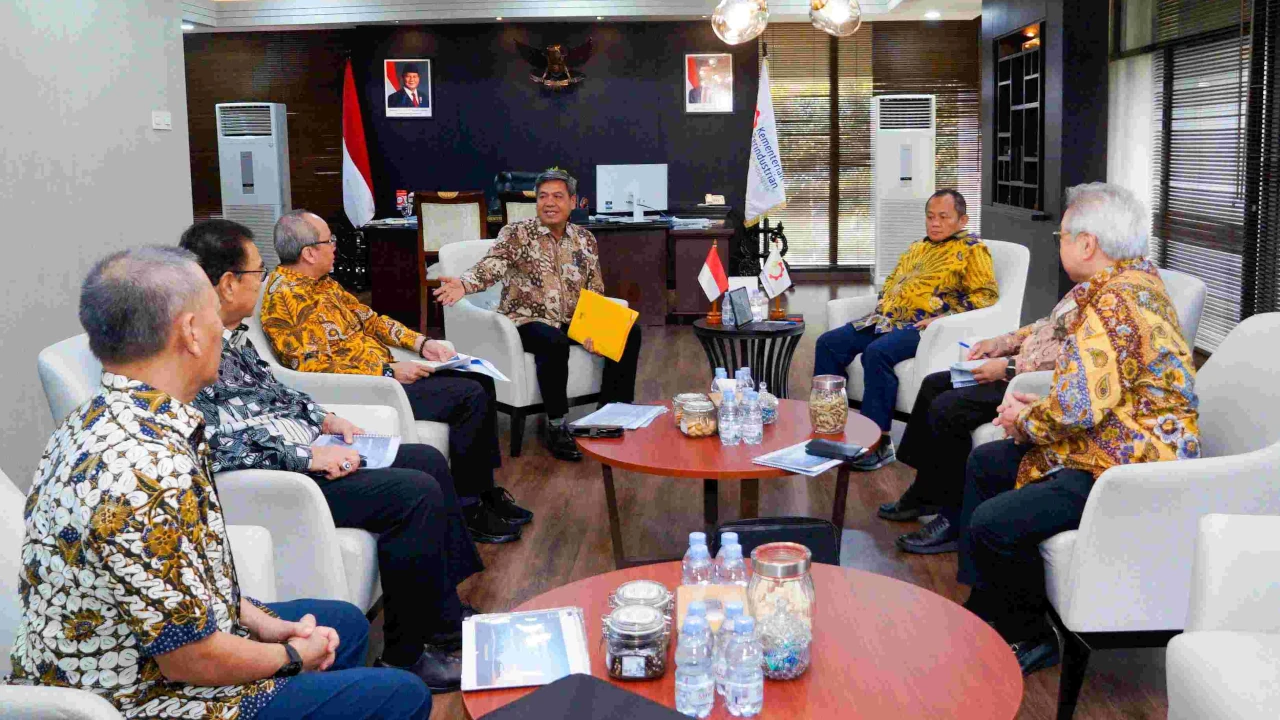
Jakarta – Indonesia is considering hybrid car incentives to support automotive demand and strengthen local manufacturing. The government is preparing a proposal as it explores ways to encourage new vehicle purchases. The move comes as automakers seek stronger market support and the country continues its transition toward electrified mobility.
Indonesia Moves Closer to a Hybrid Incentive Proposal
The Ministry of Industry is discussing a potential incentive package for hybrid vehicles. Industry Minister Muhammad Sarmuji said the government aims to submit a proposal before the end of 2026.
However, the incentive mechanism has not been finalized. The government is still reviewing the details, including the form of support that would be appropriate for hybrid vehicles.
Sarmuji also indicated that hybrid incentives would not necessarily match the benefits offered to battery electric vehicles (BEVs). This approach could allow the government to support different electrification technologies through separate policy measures.
The proposal reflects the government’s effort to balance automotive industry growth with its broader electrification targets.
Automakers Seek Stronger Market Support
Automakers have called for measures to stimulate demand in Indonesia’s new-car market. Nandi Julyanto, president director of Toyota Motor Manufacturing Indonesia (TMMIN), has highlighted the importance of government support.
Some consumers have shifted their purchases toward used vehicles. As a result, automakers are seeking policies that can encourage buyers to consider new cars.
Hybrid car incentives could help address this challenge. However, their actual impact will depend on the final policy design, eligibility requirements, and financial benefits.
The government has not yet announced the incentive amount or a confirmed implementation date. Buyers and automakers will need to wait for further details.
Non-Fiscal Benefits Could Support Hybrid Vehicles
Financial assistance is not the only option under consideration. Non-fiscal incentives could also make electrified vehicles more attractive to consumers.
Possible measures include exemptions from odd-even traffic restrictions and access to dedicated parking facilities. These benefits could potentially cover hybrid vehicles, plug-in hybrid electric vehicles (PHEVs), and range-extended electric vehicles (REEVs).
Such measures could provide practical advantages for drivers in major cities. They could also help distinguish electrified vehicles from conventional petrol-powered models.
Nevertheless, these options remain under discussion. The government has not confirmed which benefits would be included in its final proposal.
Toyota Encouraged to Expand Local Electric Vehicle Development
Alongside discussions about hybrid incentives, the government has encouraged Toyota to accelerate its battery electric vehicle development in Indonesia.
TMMIN has stated that the Toyota bZ4X is already produced locally. The company is also preparing additional electric vehicle developments for the Indonesian market.
Expanding local production could support the government’s efforts to strengthen the domestic automotive industry. It could also create opportunities for local suppliers and manufacturing workers.
However, the pace of development will depend on investment decisions, market demand, and the broader electric vehicle ecosystem.
Export Growth Remains a Government Priority
The government has also encouraged Toyota to expand exports from Indonesia. Australia is among the markets highlighted as a potential destination for locally produced vehicles.
Officials have also raised the possibility of producing double-cab pickup trucks in Indonesia. Such a move could create additional export opportunities if supported by sufficient demand.
According to TMMIN, Toyota’s exports have increased in 2026. Continued growth could help strengthen Indonesia’s position as an automotive manufacturing and export base.
Export expansion may also support production volumes. Higher output can benefit suppliers and other businesses connected to the automotive industry.
Fuel Compatibility and Indonesia’s E10 Target
Fuel compatibility has also entered discussions about the automotive industry’s future. Toyota has highlighted that its vehicles are compatible with E20 fuel, which contains up to 20% ethanol.
Indonesia’s current policy target, however, is E10 fuel, which contains up to 10% ethanol.
Compatibility depends on the vehicle model and the manufacturer’s specifications. Drivers should therefore check the owner’s manual or consult an authorized dealer before using higher-ethanol fuel blends.
The issue is relevant as Indonesia explores ways to develop its fuel ecosystem alongside changes in vehicle technology.
Indonesia’s Car Ownership Rate Offers Room for Growth
Indonesia’s relatively low car ownership rate could present an opportunity for long-term market expansion.
During the discussion, Sarmuji cited approximately 99 vehicles per 1,000 people in Indonesia. He compared this figure with 490 in Malaysia and 275 in Thailand.
These figures suggest that Indonesia has room to expand vehicle ownership. However, future growth will also depend on purchasing power, financing costs, infrastructure, and consumer confidence.
Toyota also reported 15% market growth based on its company data. This figure reflects the company’s reported performance rather than the entire automotive market.
The government’s challenge is to translate the market’s growth potential into sustainable demand. Appropriate incentives could form part of that effort.
Automotive Industry Supports Jobs and Local Businesses
The automotive sector contributes to employment across manufacturing, distribution, and sales. TMMIN’s operations directly employ around 8,000 people, according to information shared during the meeting.
The wider supplier and dealer ecosystem supports approximately 360,000 people. This network includes businesses involved in parts production, vehicle distribution, and retail operations.
Stronger automotive demand could therefore benefit more than vehicle manufacturers alone. It could also support suppliers, dealerships, logistics providers, and other related businesses.
For this reason, the design of any incentive policy could have implications across the broader automotive supply chain.
What Happens Next?
Indonesia’s proposed hybrid car incentives remain under discussion. The government has not yet confirmed the final mechanism, eligible vehicle categories, or the scale of support.
The next step is the preparation and submission of the government’s proposal. Further details should clarify how hybrid vehicles will be treated compared with BEVs and other electrified models.
For automakers, the outcome could influence product planning and market strategy. For consumers, the final policy may affect the cost and appeal of hybrid vehicles.
Until the government announces a finalized package, any potential benefits should be treated as proposals rather than confirmed incentives.